
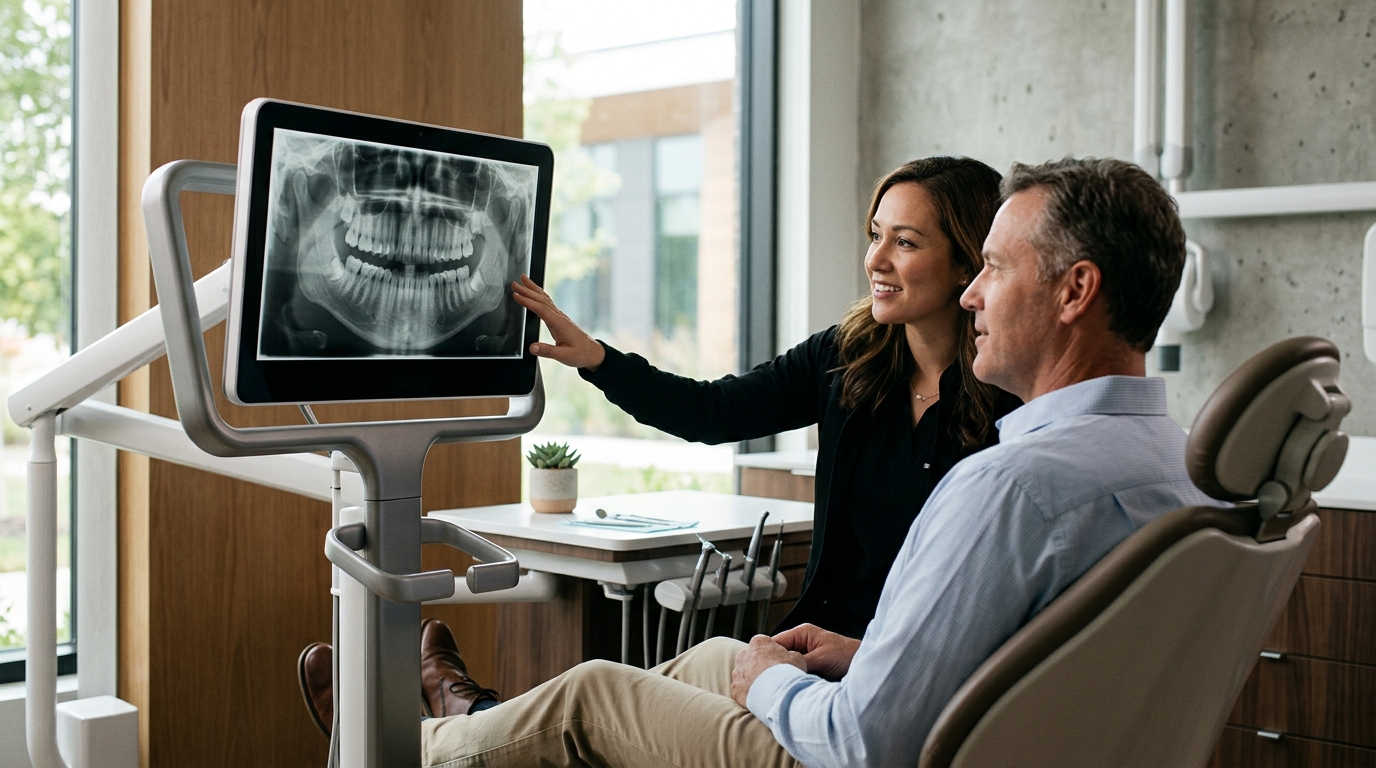
Digital X-rays provide high-resolution images that reveal subtle changes in jawbone density and structure before symptoms appear. At Tooth Doc Family Dentistry in Herndon, VA, we use these advanced imaging tools to monitor oral health comprehensively. Early detection of bone abnormalities is critical for preventing serious complications and ensuring timely treatment.
1. High-Resolution Imaging Reveals Micro-Fractures
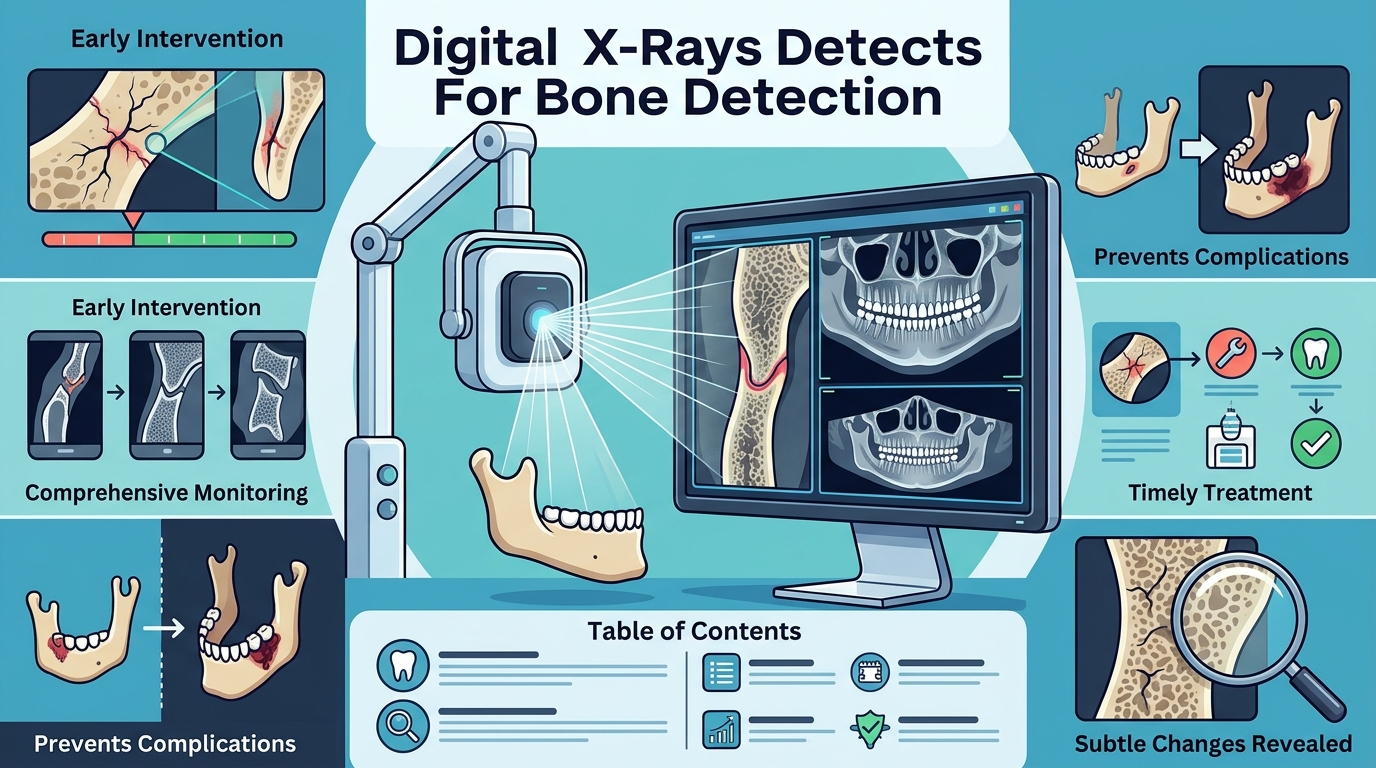
Digital sensors capture fine details that film X-rays often miss. Traditional film has a lower resolution, which can blur the tiny cracks or stress lines in the jawbone. Digital X-rays offer a sharper image, allowing Dr. Ahmad to spot micro-fractures early. This is especially important for patients with a history of trauma or those undergoing significant bite changes.
2. Enhanced Contrast Shows Bone Density Loss
Software adjustments highlight areas of thinning bone. Digital imaging allows for post-capture manipulation of contrast and brightness. This feature helps identify regions where bone density is decreasing, a common sign of periodontal disease or other metabolic conditions. By visualizing these changes clearly, we can intervene before the bone loss becomes irreversible.
3. Immediate Detection of Abnormal Growths
Clear images help identify unusual masses or lesions. Oral cancer and other pathologies often present as abnormal growths in the jawbone. Digital X-rays provide a clear view of the bone structure, making it easier to spot irregular shapes or densities. At Tooth Doc Family Dentistry, we screen for these signs during routine exams to ensure early diagnosis.
4. Digital Storage Enables Longitudinal Comparison
Storing images digitally allows for precise year-over-year tracking. We can overlay current X-rays with previous ones to see exactly how much bone has changed over time. This longitudinal comparison is a powerful tool for monitoring chronic conditions. It helps us determine if a treatment plan is working or if a different approach is needed.
5. Lower Radiation Dose Supports Frequent Monitoring
Digital X-rays use significantly less radiation than film. Because the radiation dose is lower, patients can undergo more frequent screenings without health risks. This is vital for high-risk patients who need regular monitoring of their jawbone health. Frequent checks ensure that any developing bone problems are caught at the earliest possible stage.
Choosing the Right Imaging for Your Needs
When selecting a dental provider, look for a practice that utilizes modern digital imaging technology. At Tooth Doc Family Dentistry, we prioritize patient safety and diagnostic accuracy. Our team in Herndon is dedicated to using the best tools available to protect your oral health. If you have concerns about your jawbone or need a routine screening, our gentle approach ensures a comfortable experience.
Frequently Asked Questions
How often should I get a digital X-ray?
Most patients need a digital X-ray once a year, but high-risk patients may need them more frequently. Your dentist will recommend a schedule based on your individual oral health history and current condition. according to Wear of a
Are digital X-rays safer than traditional film X-rays?
Yes, digital X-rays use up to 90% less radiation than traditional film X-rays. This makes them a safer option for frequent monitoring, especially for children and pregnant women.
Can digital X-rays detect oral cancer?
Digital X-rays can reveal bone changes associated with oral cancer, such as abnormal growths or bone loss. However, a full clinical exam is also required to detect soft tissue abnormalities.
What is the benefit of storing X-rays digitally?
Digital storage allows for easy comparison of images over time. This helps dentists track the progression of diseases like periodontal disease and monitor the success of treatments.
Does Tooth Doc Family Dentistry use digital X-rays?
Yes, our Herndon, VA office is equipped with modern digital X-ray technology. We use these tools to provide accurate diagnoses and comprehensive care for our patients.