
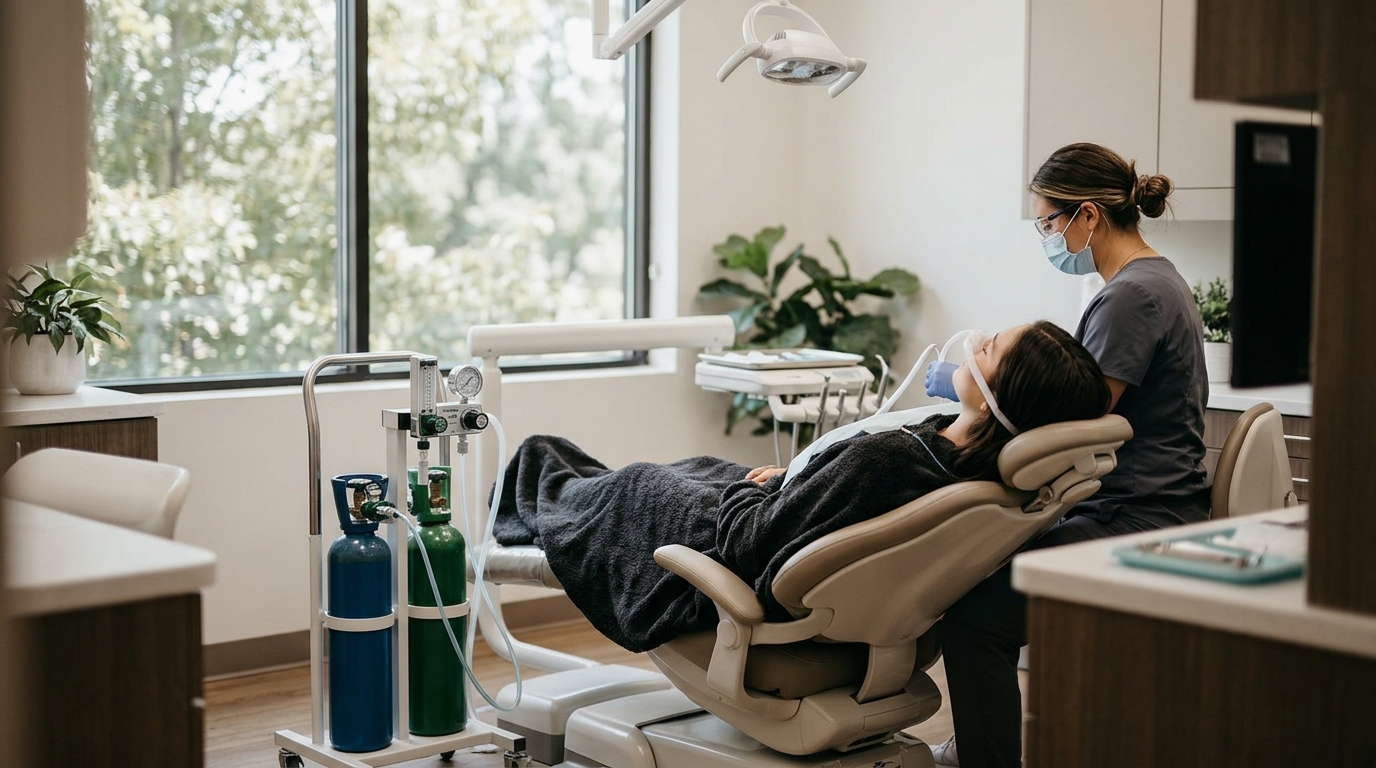
Dental anxiety is a common barrier to oral health, but modern sedation options allow patients to remain comfortable during procedures. Dentists use four primary levels of sedation, ranging from mild relaxation to general anesthesia. The specific method chosen depends on the patient's anxiety level, medical history, and the complexity of the dental work required. For additional details, review the contact information for Tooth Doc Family Dentistry.
Minimal Sedation and Nitrous Oxide
Minimal sedation is the lightest level of sedation used in dentistry. It is often referred to as "laughing gas" because it induces a state of relaxed alertness. Patients remain fully awake and can respond to verbal commands, but they feel significantly less anxious. This method is ideal for patients who are nervous but not terrified of the dental chair. For additional details, review the dental services in Herndon, VA.
Nitrous oxide is inhaled through a small mask placed over the nose. The effects are felt within minutes and wear off quickly once the oxygen flow begins. Because the gas is exhaled, patients can usually drive themselves home after the appointment. This makes it a practical choice for routine cleanings or simple fillings where the patient needs to maintain some level of awareness.
Oral Conscious Sedation
Oral conscious sedation involves taking a prescription medication, usually a benzodiazepine, before the appointment. This method is classified as moderate sedation. Patients are awake but feel deeply relaxed and may have limited memory of the procedure. It is a popular option for those who need to travel to the office or have a long treatment plan.
The medication is typically taken about an hour before the appointment. It helps lower the heart rate and reduces the stress response. Because the drug stays in the system for several hours, patients must arrange for a responsible adult to drive them home. This level of sedation is often used for more involved restorative work or for patients who have a history of fainting in the dental chair.
IV Conscious Sedation
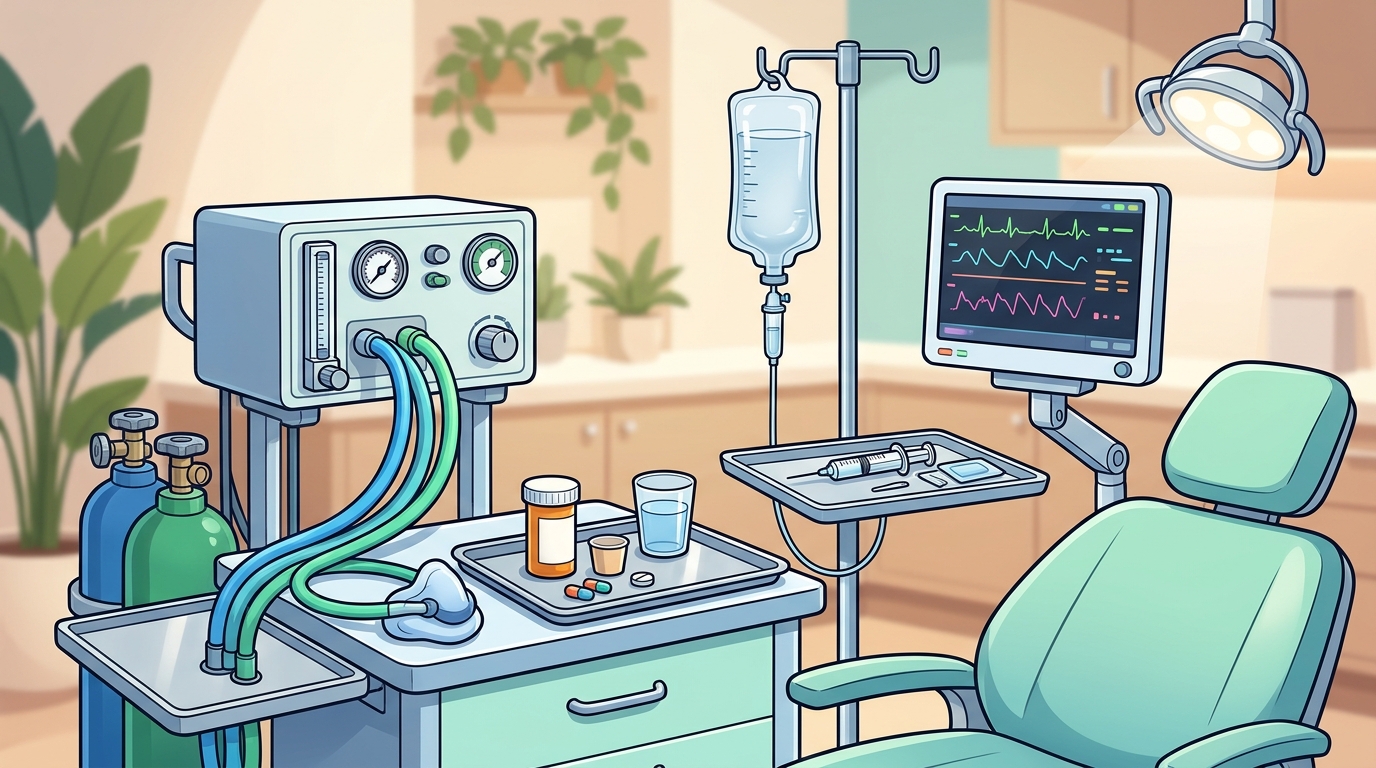
IV conscious sedation delivers medication directly into the bloodstream through a small vein in the arm. This method allows the dentist to adjust the level of sedation in real time. Patients are awake but in a state of deep relaxation. They may feel heavy in the limbs and have little recollection of the visit. This is a highly controlled form of moderate sedation.
Because the medication is administered intravenously, the onset is faster than with oral pills. The dentist can monitor vital signs closely throughout the procedure. This method is often chosen for patients who have a low tolerance for anxiety or who require multiple procedures in a single visit. It provides a smoother experience than oral sedation because the dosage can be fine-tuned to the patient's response.
General Anesthesia
General anesthesia is the deepest level of sedation. It renders the patient completely unconscious and unresponsive to stimuli. This method is typically administered by an anesthesiologist or a specially trained dentist. It is reserved for complex surgical procedures, extensive oral surgery, or patients with severe anxiety and special needs who cannot tolerate any other form of sedation.
Under general anesthesia, the patient is placed on a breathing tube to ensure airway safety. The procedure is performed in a controlled environment with full monitoring of heart rate, blood pressure, and oxygen levels. Recovery takes longer than with other methods, and patients must remain in the office for a period of observation. This option provides the highest level of safety for the most challenging cases.
Choosing the Right Sedation for Your Needs
Selecting the appropriate sedation method requires a thorough consultation with your dental provider. The dentist will review your medical history, current medications, and anxiety levels to determine the safest option. Factors such as age, weight, and overall health play a significant role in this decision. The goal is to match the level of sedation to the specific dental procedure and the patient's comfort needs.
At Tooth Doc Family Dentistry, we understand that anxiety can prevent patients from seeking necessary care. Our team in Herndon, Virginia, offers a range of sedation options to ensure a comfortable experience. We take the time to discuss your fears and explain what to expect before any treatment begins. If you are considering sedation for your next visit, contact our office to schedule a consultation.
Key Takeaways
- Minimal sedation, such as nitrous oxide, keeps patients awake and alert while reducing anxiety.
- Oral conscious sedation uses prescription pills to induce deep relaxation and limited memory of the procedure.
- IV conscious sedation allows for real-time adjustment of medication levels for precise control.
- General anesthesia is used for complex surgeries and renders the patient completely unconscious.
- The choice of sedation depends on the patient's medical history, anxiety level, and the complexity of the dental work.
- Patients receiving moderate or deep sedation must arrange for transportation home.
- A thorough consultation is essential to determine the safest and most effective sedation method.
Frequently Asked Questions
Is sedation dentistry safe for most patients?
Yes, sedation dentistry is generally safe when administered by a qualified professional. The dentist will review your medical history and monitor your vital signs throughout the procedure. The risks are minimized when the appropriate level of sedation is chosen for the patient's specific health profile.
Can I drive home after sedation?
It depends on the type of sedation. Patients who receive minimal sedation, such as nitrous oxide, can usually drive themselves home. However, those who receive oral, IV, or general anesthesia must have a responsible adult drive them home because the effects of the medication last for several hours.
Will I remember the procedure?
Memory retention varies by sedation level. With minimal sedation, you will remember the visit clearly. With moderate sedation, you may have fragmented or no memory of the procedure. Under general anesthesia, you will have no memory of the treatment at all.
How long does it take to recover from sedation?
Recovery time depends on the method used. Nitrous oxide wears off within minutes of stopping the gas. Oral and IV sedation can take several hours to fully wear off. General anesthesia requires a longer observation period in the office before the patient is discharged.
Does sedation dentistry work for children?
Yes, sedation can be used for children who are anxious or unable to cooperate during dental treatment. The type and dosage are carefully adjusted based on the child's age and weight. It is a safe and effective way to ensure children receive necessary dental care without distress.
How do I know which sedation is right for me?
Your dentist will determine the best option during a consultation. They will consider your level of anxiety, the type of procedure needed, and your overall health. Open communication about your fears and medical history helps the dentist tailor the sedation plan to your needs. Learn more: Contact Tooth Doc Family.